
Bernie SmilovitzSpeaker. Sportscaster. Spokesperson.

Bernie was born in Brooklyn in 1952, the son of two Holocaust survivors who raised their boys to believe humor is how you stay standing. When he was three, the family moved to Washington, D.C., where his father helped run a small grocery store and eight-year-old Bernie landed his first job in sports: selling peanuts outside DC Stadium. He never really left the parking lot.
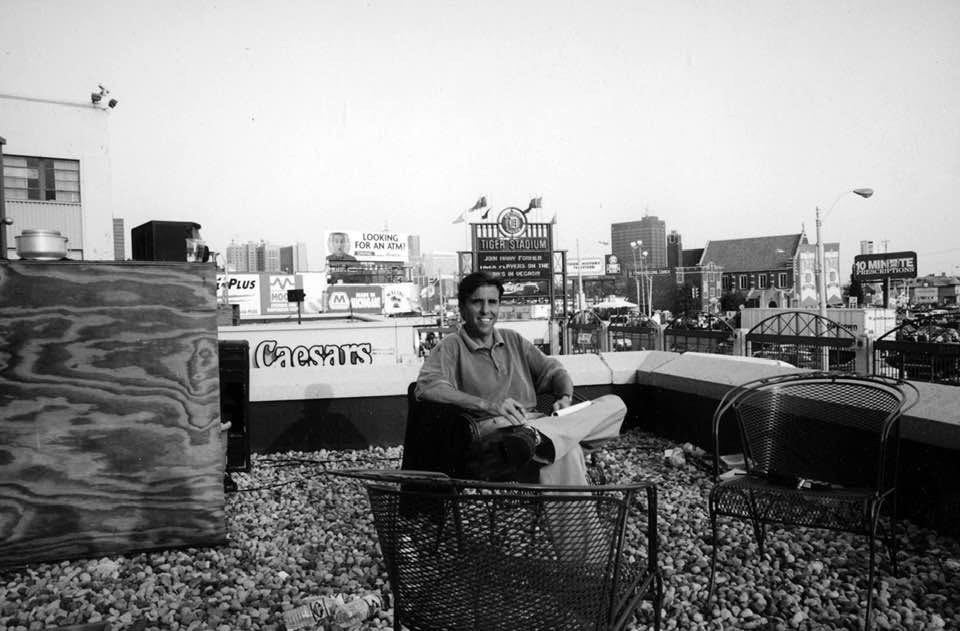
In 1976, Bernie took a $2.25-an-hour job answering overnight phones at WTOP Radio in Washington. By 1979 he was a TV sports anchor at Channel 5. In 1986, Detroit’s WDIV hired him to reinvent the sportscast — and boy, did he. ‘Bernie’s Bloopers,’ ‘Weekend at Bernie’s,’ and a nightly wink at the audience turned the sports segment into appointment television. Alongside legendary anchor Carmen Harlan, he helped power one of the most-watched newscasts in the country. He signed off on July 1, 2024 with a farewell the press called ‘the greatest goodbye in television history.’
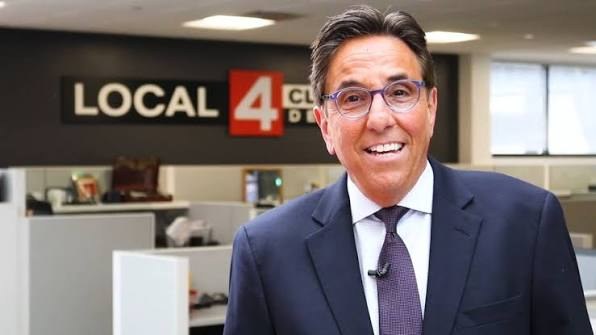
For nearly fifty years, Bernie’s job was to make people feel a little better at the end of a hard day. The desk is gone now, but the job hasn’t changed. He spent a career learning how humor holds people together when the pressure is on — on live television, from the family who taught him how to laugh, and in plenty of tough spots that had nothing to do with sports. Now he takes the stage to hand those lessons over: a working toolkit any leader can use the moment they walk out. It’s the same thing he did at 11 o’clock every night for 38 years... He’s just doing it in person now.
All-news radio, $2.25 an hour, overnight phones, until a 5:30 a.m. call from a very famous drummer started everything.
Weeknight sports anchor in the nation’s capital (and his first real run in front of a TV camera).
Hired to reinvent the sportscast. Bernie’s Bloopers, ‘We’ve got highlights!’, and Detroit’s #1 newscast.
Limited engagement.
The homecoming. Twenty-eight more years as the city’s sports voice, signing off July 1, 2024.
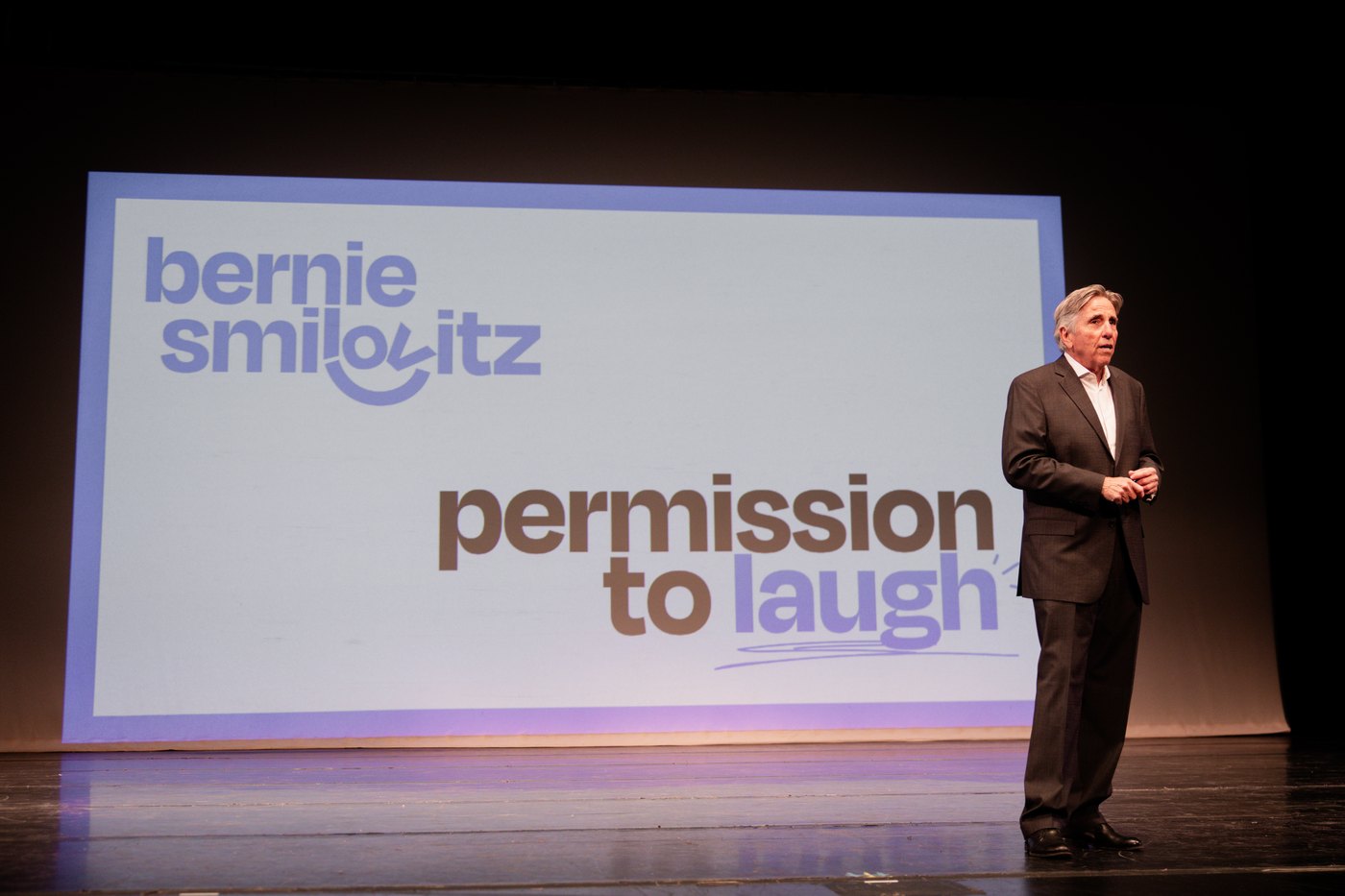
Permission to Laugh: humor as a resilience tool, for the people who need it most.
Every tool here was earned the hard way: on live television, through an FBI investigation into a hate crime aimed at him, and from the example his mother set. None of it came from a textbook.
Thirty-eight years, five nights a week, in Detroit’s living rooms. Audiences will already arrive warm to Bernie.
Audiences expect funny, but they don’t expect to be moved. Bernie does both, and the second part is what they'll remember.
Your team leaves with three things they can actually do as they leave — not a poster about teamwork.
Five decades on the air, and the hardware to show for it.

Every audience gets the stories, the tools, and a reason to laugh on the way out.